Grand Canyon University (GCU) is a premier institution that consistently strives to deliver an exceptional educational experience. Central to this mission is the academic program lifecycle—a systematic and iterative process that ensures the alignment of academic offerings with the needs and goals of both students and educators. By capitalizing on innovative tools and a collaborative framework, GCU maintains its commitment to producing graduates who are prepared to excel in an ever-changing world.
Understanding the Academic Program Lifecycle
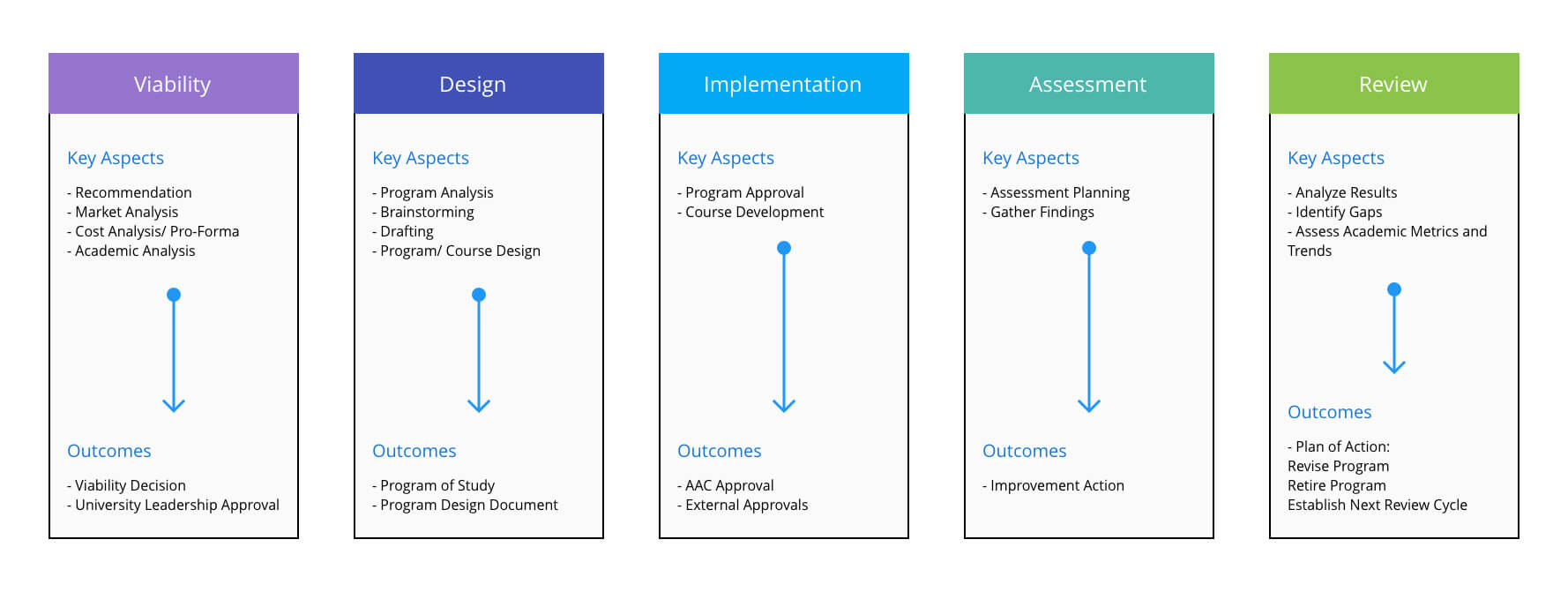
At its core, the academic program lifecycle encompasses the meticulous phases of viability, design, implementation, assessment, and revision. Each phase operates with a clear intention, contributing to the overall success and relevance of the educational programs. Viability involves vetting and developing new and engaging programs to meet the ever-growing workforce demand. Design focuses on crafting course content that is engaging and reflective of current academic standards. Implementation is executed through innovative teaching methods and delivery platforms that enhance student learning. Continuous evaluation and assessment ensures that outcomes are met, while the revision phase allows adaptation to emerging trends and feedback.
Additional information and resources pertaining to the Academic Program Lifecycle are available via APL Support Center.
Tools Utilized in the Lifecycle
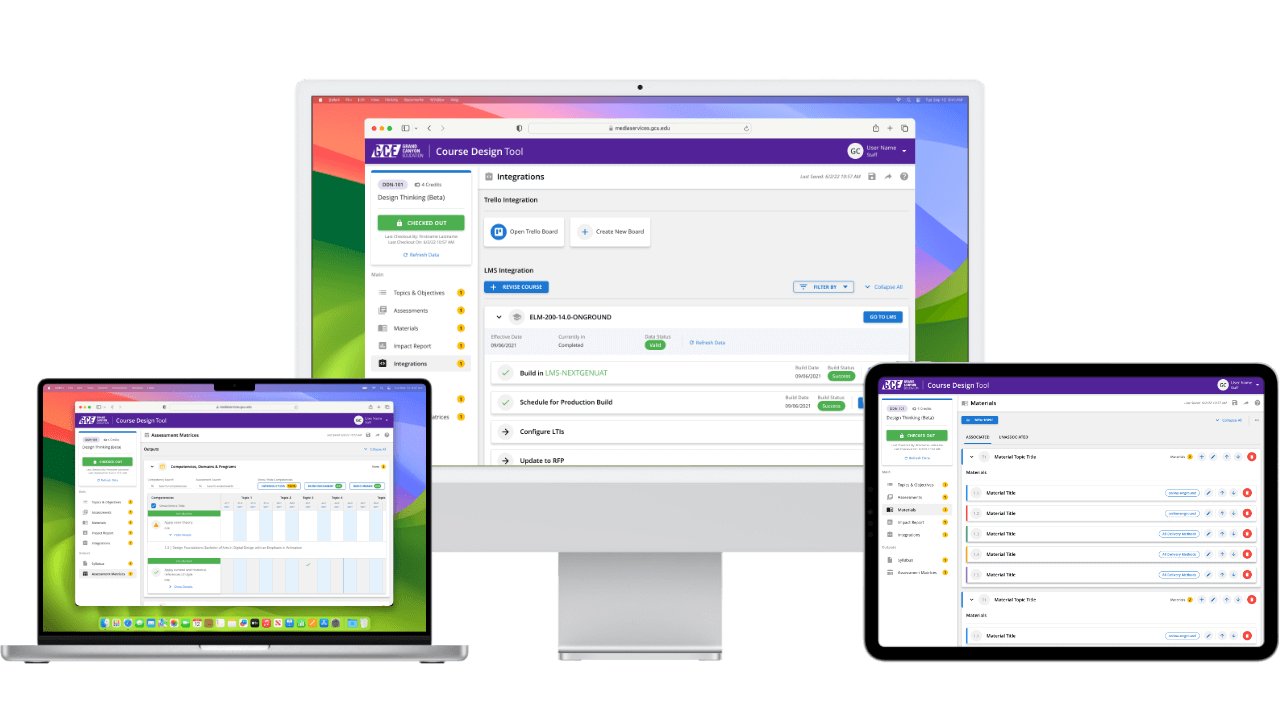
To support each phase of the lifecycle an array of advanced tools and technologies are utilized. Reporting analytics provide insights into student performance, enabling personalized learning experiences that cater to diverse learning styles. Interactive media and digital resources facilitate active learning and engagement, bridging the gap between theoretical concepts and real-world applications. Curriculum authoring tools such as the course and program design tool provide a space for planning and drafting relevant content. These tools together create a dynamic ecosystem that underpins the academic program lifecycle.
"Effective curriculum is born out of thoughtful planning and collaboration."
Collaborative Efforts and Team Dynamics
A hallmark of GCU's success in education is its emphasis on collaboration across various teams. Curriculum developers, instructional designers, and editors work in concert to ensure that educational content is not only aligned with institutional goals but also engaging for students. This collaborative effort includes internal reviews and external feedback loops, which help refine the programs and maintain a high standard of academic excellence. The synergy derived from these collaborative dynamics guarantees consistent and impactful program delivery.
Challenges and Future Directions
Despite the robust framework provided by the academic program lifecycle, challenges such as swiftly changing educational standards and technological advancements persist. GCU is proactive in addressing these challenges by constantly exploring new pedagogical strategies and investing in cutting-edge technology. By anticipating future educational demands, GCU positions itself as a leader in innovative education. Future directions may include the expansion of virtual reality in learning environments and further integration of artificial intelligence to enhance personalized education.
Conclusion
The academic program lifecycle at Grand Canyon University exemplifies the university’s dedication to fostering a high-quality, engaging, and adaptable educational environment. Through strategic planning, collaborative efforts, and the deployment of advanced tools, GCU is committed to shaping graduates who are equipped to thrive in an increasingly complex world.